How to Notarize a Deed of Trust in California: Step-by-Step
How to Notarize a Deed of Trust in California: Step-by-Step
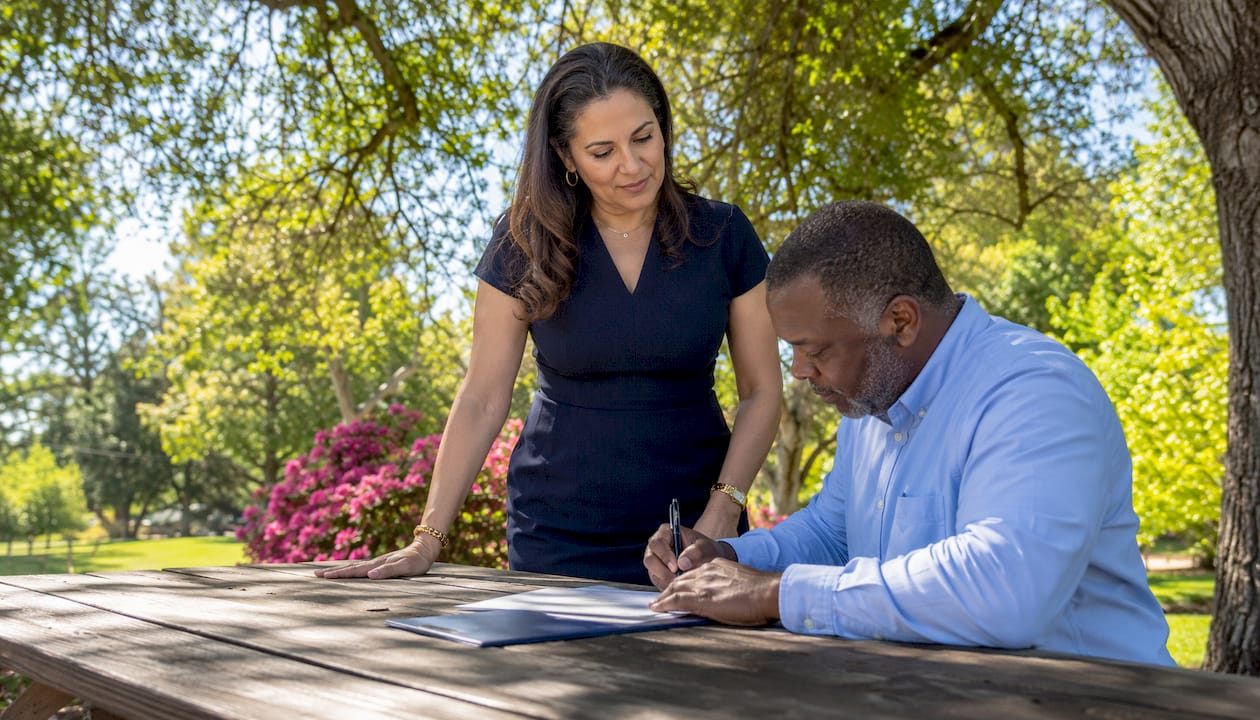
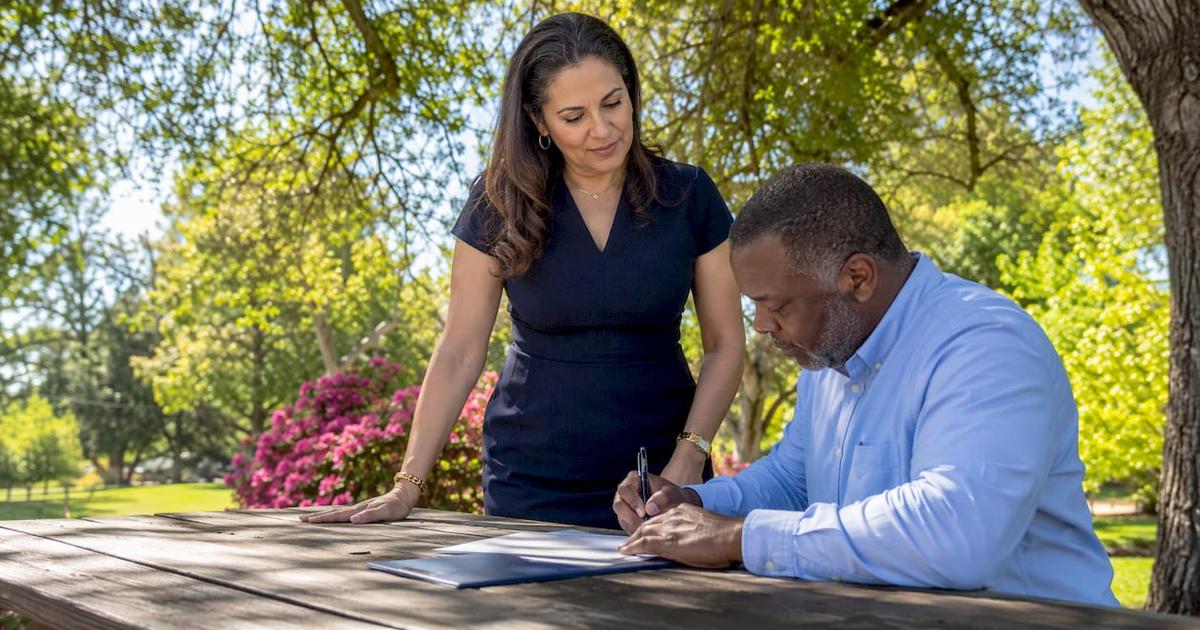
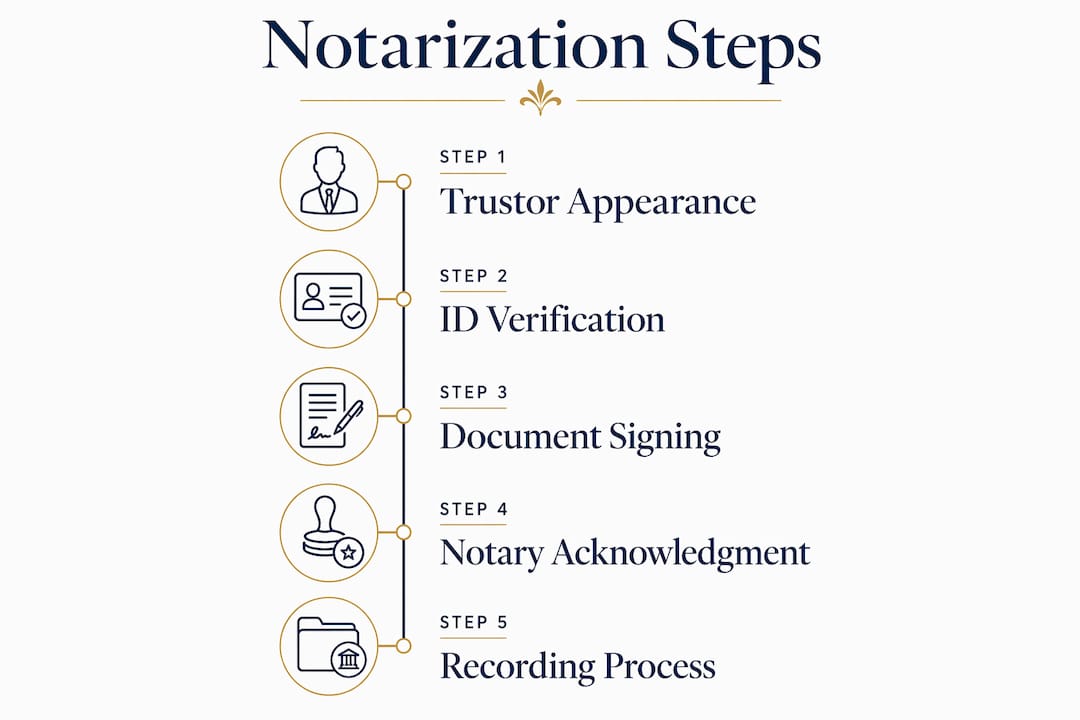
To notarize and record a deed of trust in California, follow these steps in order: confirm all party names match title records, prepare the deed with a complete legal description, appear in person before a notary with valid government-issued photo ID, have the notary complete the acknowledgment certificate and journal entry (including your right thumbprint under California Government Code § 8206), then submit the notarized original to the correct county recorder’s office without delay.
What to bring to the signing:
- Government-issued photo ID (driver’s license, passport, or state ID)
- The fully completed deed of trust with no blank fields
- Any entity or trust authorization documents (if signing in a representative capacity)
- Your right index finger for the thumbprint
Who must appear: The trustor (borrower/grantor) must appear in person. A notary cannot accept a pre-signed deed without the signer present for an acknowledgment.
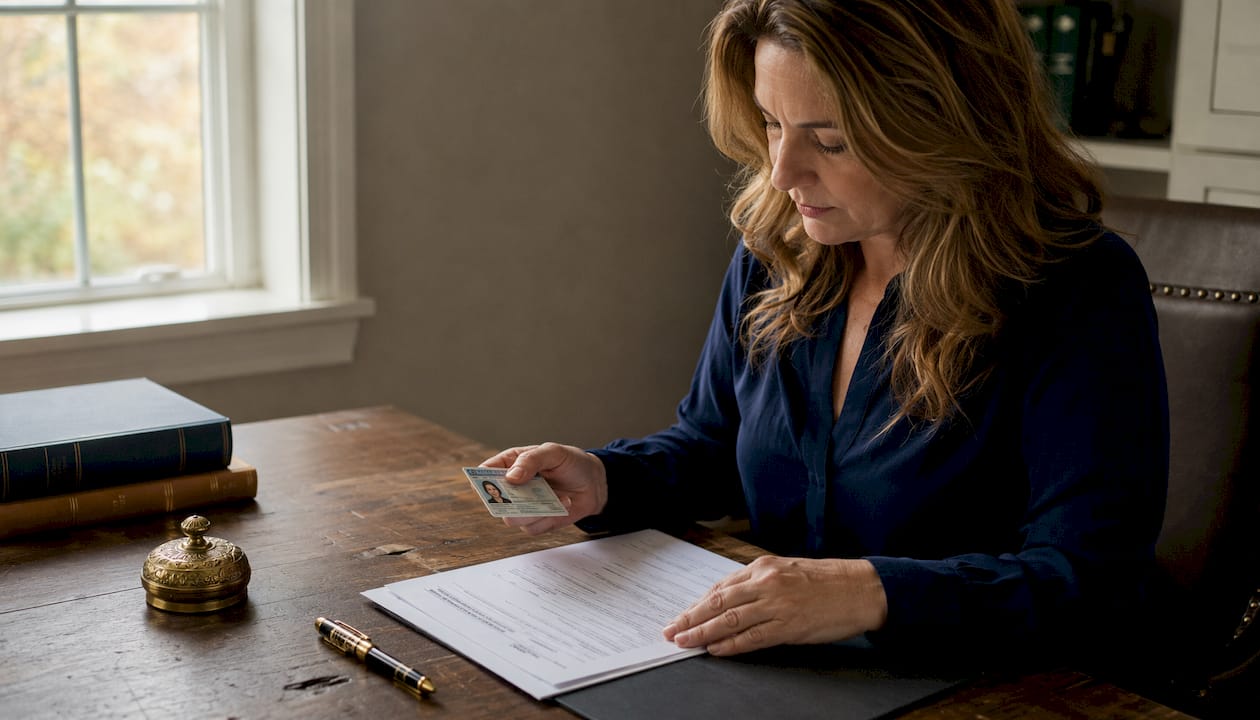
What the notary requires: Valid ID, a complete document, a journal entry, and the right thumbprint for real property documents.
| Who does what | When to notarize | Why record immediately |
|---|---|---|
| Trustor signs; notary acknowledges | Before recording, at signing | Protects lender’s lien priority |
| Notary completes journal + thumbprint | Same session as signing | Required under GC § 8206 |
| Escrow/title submits to county recorder | Same day as notarization when possible | Prevents competing claims from recording first |

Table of Contents
- Who signs a deed of trust and what each party does
- What documents do you need to prepare before signing?
- Step-by-step notarization workflow for a deed of trust
- How and where to record the notarized deed of trust
- Common execution mistakes and how to fix them
- Where to get a deed of trust notarized and how to choose
- Key Takeaways
- What experienced notaries always check at a real estate signing
- Premier Notary & Apostille Services handles deed-of-trust notarizations from intake to recording
- Useful sources
- FAQ
Who signs a deed of trust and what each party does
Three parties appear in every California deed of trust: the trustor, the beneficiary, and the trustee.
The trustor is the borrower or property owner who grants the lien. This is the person who must personally appear before the notary, present valid ID, and acknowledge the signature. If the property is held by a trust or LLC, the authorized signatory must bring proof of that authority — a trust certificate or operating agreement — and sign in the correct legal capacity. Names must match title records exactly, down to middle initials and entity designations. For real estate document notarizations, even a minor name discrepancy can trigger a recorder rejection.
The beneficiary is the lender who holds the promissory note. In most California deeds of trust, the beneficiary does not sign the deed itself. The lender’s interest is protected by recording, not by their own signature on the deed.
The trustee is a neutral third party — often a title company or individual — who holds bare legal title until the loan is repaid or the property is foreclosed. The trustee typically does not sign at closing unless the deed form specifically requires acceptance.
Verify vesting before the signing appointment. Pull the current title report and confirm every name, entity designation, and capacity matches the deed exactly. A mismatch discovered at the recorder’s office costs time and re-execution fees.
Pro Tip: If the trustor is signing as a trustee of a living trust, bring the trust certificate or a certified abstract of trust. The notary needs to confirm the signer’s authority, and the county recorder will scrutinize the capacity line.
What documents do you need to prepare before signing?
The deed of trust and the promissory note are two separate documents with different functions. Confusing them is the most common execution failure practitioners see.
The promissory note is the borrower’s private promise to repay. It is generally not recorded. The deed of trust secures that promise against the property and must be recorded to be effective against third parties.
| Field to verify | Why it matters |
|---|---|
| Legal description | Must match county assessor records exactly |
| Vesting name(s) | Must match title report and any entity documents |
| Correct county | Determines which recorder’s office accepts the filing |
| Trustee name | Must be a named individual or entity, not a blank |
| Beneficiary name | Must match the promissory note exactly |
| Exhibits attached | All referenced exhibits must be physically attached |
| No blank spaces | Any blank field can invalidate recording acceptance |
Confirm names against the title report, trust certificate, or entity formation documents before the signing appointment. If you are using escrow or title, they typically control the execution order — circulating the final version, collecting signatures, and submitting for recording. For private lenders closing without escrow, controlling the recording order is a practical risk mitigation step you must manage yourself.
Step-by-step notarization workflow for a deed of trust
The signer must personally appear, show government photo ID, orally acknowledge the signature, and the notary must complete the acknowledgment certificate and journal entry — including the right thumbprint for real property documents under GC § 8206.
- Verify the final document. Confirm no blank fields, correct names, and all exhibits attached. Do not proceed with an incomplete deed.
- Confirm the signer’s ID and legal capacity. The notary checks the photo, name spelling, and expiration date. For entity signers, review the authorization document.
- Determine the correct notarial act. For deeds of trust, this is almost always an acknowledgment — not a jurat. The signer does not need to sign in front of the notary; they can acknowledge a prior signature. Check the certificate language: acknowledgment certificates say “acknowledged before me,” while jurat certificates say “subscribed and sworn to before me.”
- Collect the acknowledgment. The signer verbally confirms the signature is theirs and was made voluntarily.
- Complete the journal entry. The notary records the date, type of act, document description, ID type and number, fee charged, and the signer’s right thumbprint. This thumbprint is mandatory for deeds of trust and all real property documents under California Government Code § 8206. It is non-waivable.
- Affix the seal and return the original. The notary signs, stamps the certificate, and returns the original to the appropriate party for recording.
Pro Tip: If the deed of trust was printed with a notarial certificate from another state, or if the certificate is missing entirely, attach a California loose acknowledgment certificate. This is an accepted remedy under California notary practice and makes the document compliant for local recording. Confirm the signer’s identity verification process is complete before attaching.
How and where to record the notarized deed of trust
Recording is what converts a notarized deed into a public lien. An unrecorded deed leaves the lender unsecured against any party who records a competing interest first. Recording provides constructive notice to the world.
| Step | Action |
|---|---|
| 1. Prepare the original | Confirm notarization is complete; attach any required cover sheet |
| 2. Identify the correct county | Record in the county where the property is physically located |
| 3. Submit with fees | Pay the county recorder’s filing fee (fees vary; check the local recorder’s schedule) |
| 4. Receive the stamped copy | The recorder returns a file-stamped copy with date, time, and filing number |
| 5. Distribute copies | Lender/beneficiary file, borrower copy, escrow or title file |
Fees vary by county. Sacramento County, for example, publishes its recording fee schedule online. Always check the specific county recorder’s website before submitting. Using escrow or title to handle recording is the most reliable way to control timing, especially when lien priority is critical. A deed notarized correctly but recorded late can lose priority to a subsequent claimant who records first.
Common execution mistakes and how to fix them
Most problems with deeds of trust are preventable. Here are the errors that cause the most rejections and re-executions.
- Mismatched vesting or names. The name on the deed differs from the title report or entity documents. Fix: re-execute the deed with the correct name before recording.
- Blank or “TBD” fields. Any unfilled field gives the recorder grounds to reject the document. Fix: complete all fields before the signing appointment.
- Missing or incorrect notarial certificate. The certificate is absent, uses out-of-state wording, or names the wrong signer. Fix: attach a California loose acknowledgment certificate if the signer is still available; otherwise, re-notarize.
- No right thumbprint collected (California). The notary skipped the GC § 8206 thumbprint requirement. Fix: the act must be re-performed with a compliant notary. Review common notarization mistakes to avoid this before the appointment.
- Recording in the wrong county. The deed is filed in the county where the lender operates, not where the property sits. Fix: re-record in the correct county immediately; the first recording may be ineffective for notice purposes.
- Delayed recording. The deed sits unsigned or unsubmitted for days after notarization. Fix: use escrow or title to record the same day.
Red flags to watch for at signing: the notary does not ask for ID, skips the journal entry, or does not request the thumbprint. Walk away and find a compliant notary.
Where to get a deed of trust notarized and how to choose
Not every notary is equipped to handle real property documents. Ask the right questions before booking.
| Option | Personal appearance required | Suitable for deeds of trust | Typical availability | Best use case |
|---|---|---|---|---|
| Bank branch notary | Yes | Sometimes | Business hours only | Simple signings; may lack real estate experience |
| County clerk notary | Yes | Yes | Limited hours | Walk-in option; confirm real estate experience |
| Mobile notary | Yes | Yes | Flexible, including evenings | Closing at home or office; controls scheduling |
| Remote Online Notarization (RON) | Via webcam (where authorized) | Limited; check county recorder acceptance | online platforms | Only where California law and the recorder permit |
Questions to ask before booking:
- Is your commission current and in good standing?
- Have you notarized deeds of trust before?
- Do you collect the right thumbprint and maintain a compliant journal?
- How quickly do you return the original for recording?
- What are your fees?
For deeds of trust where recording timing matters, a mobile notary who coordinates directly with escrow or title is often the most practical option. California has not broadly authorized RON for real property recordings in all counties, so confirm acceptance with the specific county recorder before using a remote notary. For lender notarization requirements, lenders often specify the type of notary they will accept.
Key Takeaways
Notarizing and recording a deed of trust in California requires personal appearance, a compliant acknowledgment, the mandatory right thumbprint under GC § 8206, and same-day recording in the correct county to protect lien priority.
| Point | Details |
|---|---|
| Match names to title records | Every name on the deed must match the title report and entity documents exactly before signing. |
| Personal appearance is required | The trustor must appear in person before the notary; no exceptions for standard paper notarizations. |
| Right thumbprint is mandatory | California GC § 8206 requires the signer’s right thumbprint for all real property documents. |
| Record in the correct county | File with the recorder in the county where the property is located, not where the lender operates. |
| Use Premier Notary & Apostille Services for real estate signings | Premier Notary & Apostille Services offers guided intake, same-day options, and experienced handling of real property notarizations. |
Pre-signing checklist:
- Valid government-issued photo ID
- Fully completed deed with no blanks
- Entity/trust authorization documents (if applicable)
- Right index finger available for thumbprint
- Contact information for escrow or title to coordinate recording
What experienced notaries always check at a real estate signing
The detail that causes the most re-executions is not a missing signature — it’s a name that doesn’t quite match. A trustor who holds title as “John A. Smith, Trustee of the Smith Family Trust dated January 1, 2020” but signs simply as “John Smith” creates a title defect that can take months to resolve. At Premier Notary & Apostille Services, the intake process flags these discrepancies before the appointment, not at the table.
The second thing worth noting: the notarial certificate wording matters more than most signers realize. An acknowledgment and a jurat are not interchangeable, and a county recorder will reject a deed with the wrong certificate type. Checking the certificate language takes thirty seconds and prevents a re-execution.
Prompt recording is the step most often treated as optional. It is not. A correctly notarized deed that sits in a drawer for a week is a lien that can be leapfrogged. The sequence — notarize, then record the same day — is the only sequence that fully protects the lender.
Premier Notary & Apostille Services handles deed-of-trust notarizations from intake to recording
Execution errors on real property documents are expensive to fix. Premier Notary & Apostille Services reduces that risk with a guided intake process that confirms vesting names, reviews ID requirements, and walks you through the thumbprint and journal procedure before you sit down to sign.

Same-day appointments are available for real estate signings, and the team handles originals carefully so they reach the county recorder without delay. The process covers the full signing workflow: ID verification, acknowledgment completion, GC § 8206 thumbprint collection, and coordination with escrow or title for recording.
Book a real estate document notarization to schedule your appointment. For broader estate-planning context on how a deed of trust fits into a trust structure, the estate planning guide for families is a useful starting point.
Note: Premier Notary & Apostille Services assists with execution and recording logistics. For substantive drafting questions, consult a licensed California real estate attorney.
Useful sources
- California Government Code § 8206 — Primary statute for notary journal and thumbprint requirements for real property documents.
- California Secretary of State — Notary Forms — Official acknowledgment and jurat certificate forms for California notarizations.
- Sacramento County Recorder — Fee Schedule — Check current recording fees; use as a model for finding your county’s schedule.
- Deed of Trust and Promissory Note — Sacramento County Public Law Library — Plain-language guide to the difference between the two documents and recording procedures.
- National Notary Association — 5 Steps for Proper Notarization — Best-practice framework for notary procedures applicable to real estate signings.
- How to Notarize a Real Estate Deed — Notarystyle — Practical guide covering acknowledgment vs. jurat and loose certificate procedures.
- Guide to Drafting and Recording Enforceable Deeds of Trust — Terms.Law — Covers escrow/title control of recording and lien priority risks.
- Premier Notary & Apostille Services — Book Real Estate Documents — Schedule a real estate notarization appointment with same-day availability.
FAQ
How do you notarize a deed of trust in California?
The trustor must personally appear before a commissioned California notary, present valid government-issued photo ID, and acknowledge the signature. The notary then completes the acknowledgment certificate, records a journal entry, and collects the signer’s right thumbprint as required by California Government Code § 8206.
What are the most common mistakes in trust deed execution?
The most frequent errors are mismatched vesting names, blank fields left in the document, a missing or incorrect notarial certificate, and failure to collect the right thumbprint — all of which can cause the county recorder to reject the deed or create a title defect requiring re-execution.
What is the 120-day rule for contesting a trust in California?
California’s 120-day rule sets the deadline for filing a trust contest after receiving the required statutory notice; it is a trust litigation deadline and does not affect the notarization or recording of a deed of trust.
Can a family member notarize a deed of trust?
A family member who holds a valid California notary commission may technically perform the notarization, but most title companies and lenders will reject it due to conflict-of-interest concerns. Use a disinterested, commissioned notary with real property experience.
Does a deed of trust need to be recorded after notarization?
Yes. Notarization alone does not protect the lender’s lien. The notarized deed must be recorded at the county recorder’s office in the county where the property is located to provide constructive notice and establish lien priority.