What Is a Notarized Document? A Clear Guide
What Is a Notarized Document? A Clear Guide
A notarized document is one authenticated by a state-commissioned notary public who verifies the signer’s identity, confirms the signing is voluntary, and applies an official seal to deter fraud. The industry term for this process is “notarization,” and it serves as the backbone of document authentication across real estate, legal, and personal transactions. Banks, courts, and government agencies rely on the notary seal as proof that a document is genuine. Without it, many critical papers face outright rejection. Premier Notary & Apostille Services has processed over 1,900 documents and holds a 5-star Google rating, making it a trusted source for understanding exactly what notarization means and when you need it.
What is a notarized document and how does it work?
A notarized document carries a notarial certificate, the notary’s signature, and an embossed or inked seal. These three elements together tell any receiving institution that a qualified official witnessed the signing and confirmed the signer’s identity. The notarial certificate is attached directly to the document and becomes a permanent part of the record.
Notarization does not validate the legal content of a document. It confirms identity and intent, nothing more. A contract can be notarized and still be unenforceable if its terms are illegal. That distinction matters because many people assume a notary seal equals legal approval. It does not.

How does the notarization process work?
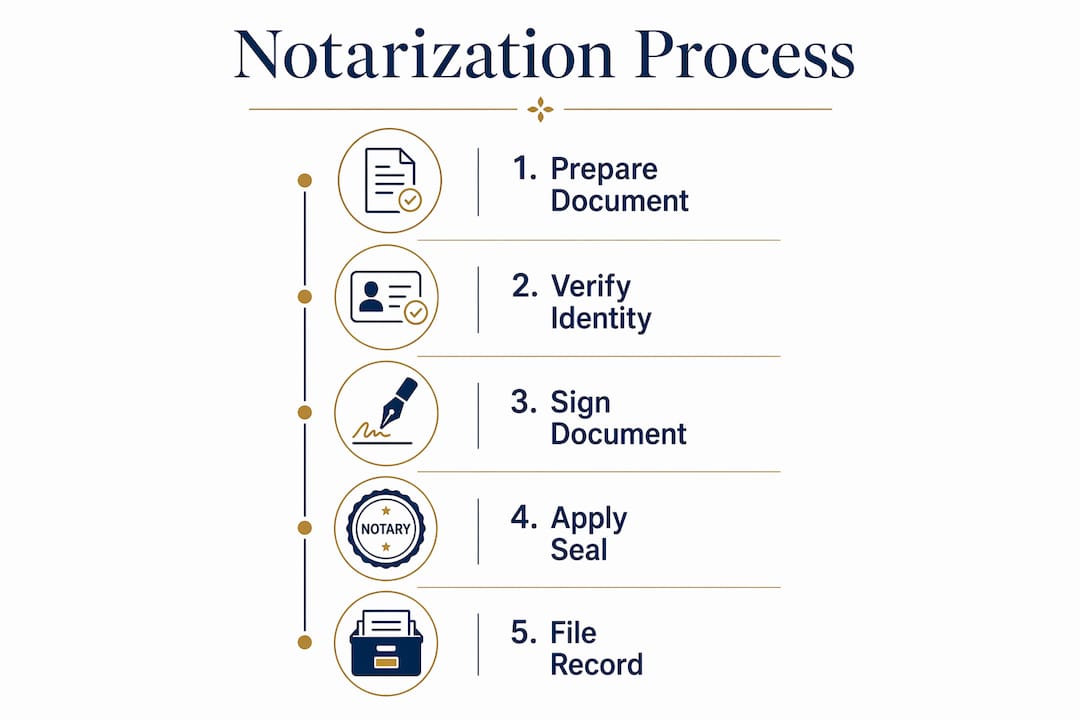
The notarization process follows a clear sequence. Each step exists to protect all parties from fraud and error.
- Schedule an appointment. Find a commissioned notary public through a bank, law office, shipping store, or a mobile service like Premier Notary & Apostille Services.
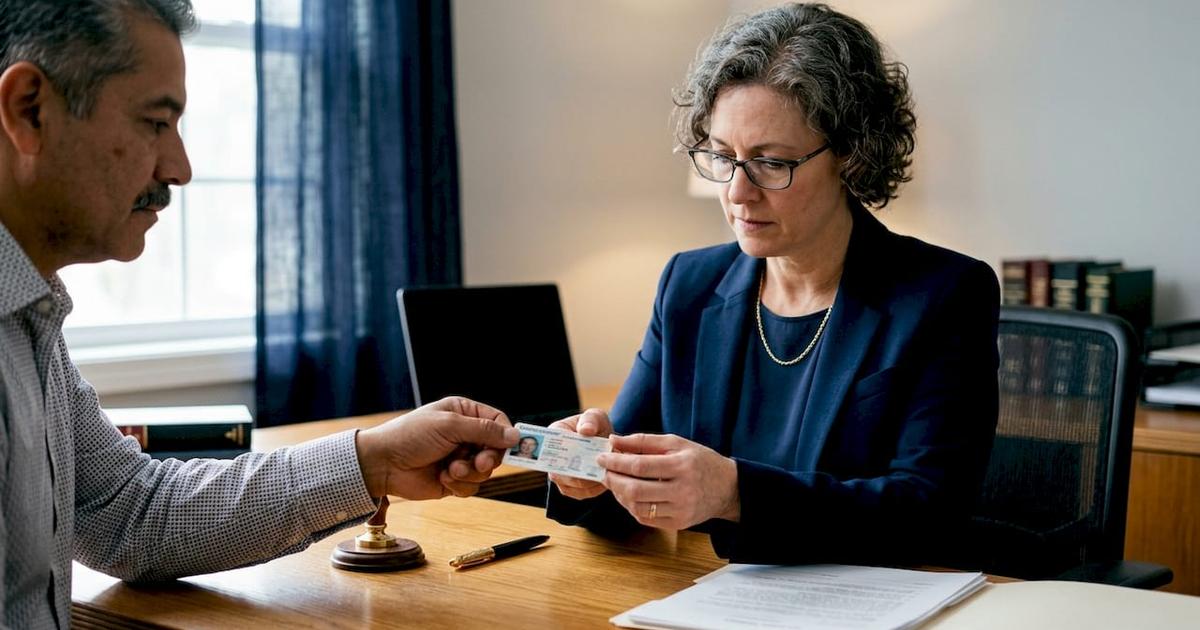
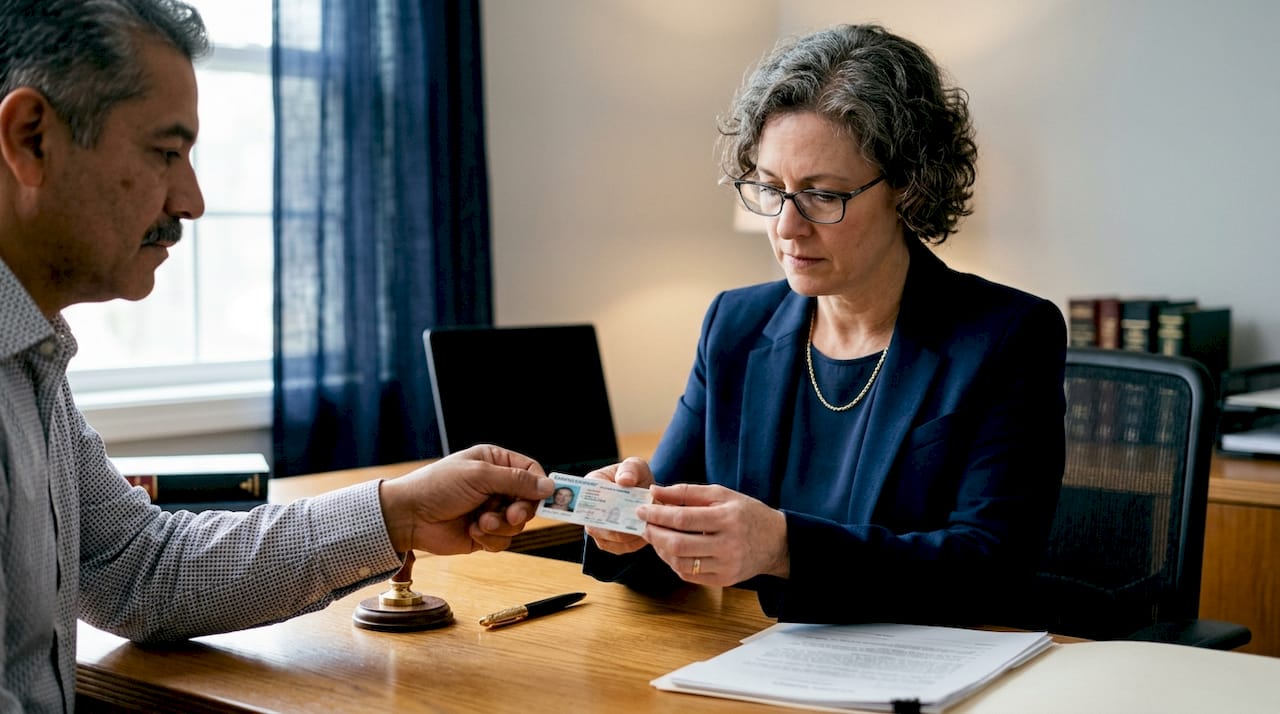
- Bring valid identification. The notary requires a government-issued photo ID with your signature and physical description. An expired ID causes an automatic refusal.
- Appear in person or connect remotely. Most states require physical presence. More than 44 states now allow remote online notarization (RON), where the session is recorded via video.
- Sign the document. For a jurat, you sign in front of the notary and swear an oath. For an acknowledgment, you may sign beforehand and simply confirm the signature is yours.
- Receive the notarial certificate. The notary completes the certificate, applies the seal, and logs the transaction in their official journal.
Fees are straightforward. Notarization typically costs between $2 and $15 per signature, though mobile and remote services may charge additional travel or platform fees.
Pro Tip: Bring your document fully completed before the appointment. Notaries cannot notarize blank or incomplete documents, and arriving unprepared means rescheduling.
What types of documents commonly need notarization?
Notarization applies to a wide range of documents, each with a specific reason for requiring it.
- Real estate deeds. Grant deeds, warranty deeds, and quitclaim deeds all require notarization before a county recorder will accept them. County recorder’s offices reject deeds without proper notarization, keeping the public record accurate.
- Powers of attorney. These grant one person authority to act on another’s behalf. Notarization confirms the grantor signed willingly and was not coerced.
- Affidavits and sworn statements. These require a jurat, meaning the signer swears under oath that the contents are true. Courts and agencies rely on this oath for legal proceedings.
- Loan documents. Mortgage closings involve multiple notarized signatures. Lenders require them to protect against fraud in high-value transactions.
- Contracts and agreements. While not always legally required, notarization adds a layer of authenticity that courts recognize.
The two main notarial acts are the acknowledgment and the jurat. They are not interchangeable.
| Notarial Act | When to Use | Signing Requirement |
|---|---|---|
| Acknowledgment | Real estate deeds, powers of attorney | Signer may sign before appearing before the notary |
| Jurat | Affidavits, sworn statements | Signer must sign in the notary’s presence and take an oath |
Choosing the wrong act causes rejection by the receiving agency. Confirm which act your document requires before your appointment.
How notarization prevents deed fraud and protects property ownership
Deed fraud is the unauthorized transfer of property through forged or fraudulent documents. It targets homeowners who are unaware their property title has been stolen until they try to sell or refinance. Notarization is the primary legal defense against this crime.
The notary’s role in fraud prevention includes several specific duties:
- Identity verification. The notary checks photo ID against the signer’s face and signature. A mismatch stops the transaction.
- Detecting coercion. Notaries are trained to refuse if a signer appears pressured, confused, or unwilling.
- Journal records. Every transaction is logged with the date, document type, and signer’s information. This creates a paper trail for investigators.
- Thumbprints. Even when not legally required, many notaries collect thumbprints for high-value real estate transactions to deter fraud further.
A forged notarization on a deed can result in a fraudulent property transfer that takes years and significant legal costs to reverse. Courts treat improperly notarized deeds as void, but recovering title requires litigation. Prevention through proper notarization is far less costly than the cure.
Pro Tip: If you own property and receive unexpected mail about a deed or title change you did not initiate, contact your county recorder’s office immediately. Early detection limits damage.
What is grant deed notarization and recording a notarized deed?
A grant deed is a legal document used to transfer real property from one party to another. It carries an implied warranty that the seller holds clear title and has not previously transferred the property to someone else. Grant deed notarization is the process of having a notary authenticate the grantor’s signature before the deed can be recorded.
Recording a notarized deed means submitting it to the county recorder’s office, where it becomes part of the permanent public record. This step is separate from notarization but depends on it entirely.
| Step | Action | Who Handles It |
|---|---|---|
| Preparation | Draft the grant deed with correct legal description | Attorney or title company |
| Notarization | Notary verifies identity and applies seal | Licensed notary public |
| Delivery | Deed is physically or electronically transferred to grantee | Grantor or title agent |
| Recording | Deed is submitted to county recorder and indexed | Grantee or title company |
| Public record | Deed becomes searchable in public property records | County recorder’s office |
Notarization is mandatory for recording real estate deeds in almost every jurisdiction. A deed that skips notarization cannot be recorded. An unrecorded deed creates serious risk: a subsequent buyer who records first may hold superior title. Recording protects the new owner by giving the world legal notice of the transfer.
Remote online notarization has changed this process. 45 states plus D.C. permit remote notarization for real estate transactions, allowing closings to happen without all parties in the same room. The recorded video session and digital seal carry the same legal weight as an in-person notarization in those jurisdictions.
For a deeper look at real estate notarization requirements, Premier Notary & Apostille Services covers the full scope of documents involved in property transactions.
Can handwritten documents be notarized?
Handwritten documents can be notarized. The notary does not care whether the document is typed or written by hand. What matters is that the document is complete, legible, and accompanied by the correct notarial certificate.
Common mistakes to avoid when getting any document notarized:
- Leaving blanks. Any blank space in a document can be filled in after notarization, which invalidates the notarial act. Complete every field before your appointment.
- Using the wrong notarial act. Submitting an acknowledgment when a jurat is required causes rejection. Confirm the requirement with the receiving agency first.
- Bringing an expired ID. Notaries must refuse to notarize if they cannot verify your identity. Check your ID’s expiration date before you go.
- Missing a notarial certificate. Handwritten documents need an attached certificate that includes the notary’s statement, signature, seal, and commission expiration date.
Pro Tip: Ask the receiving agency which notarial act they require before you schedule your appointment. A quick phone call saves you from starting over.
For a full breakdown of errors that cause rejections, Premier Notary & Apostille Services covers the most common notarization mistakes people make and how to avoid them.
Key Takeaways
A notarized document is authenticated by a commissioned notary public who verifies identity and intent, making it the primary tool for fraud prevention in legal and real estate transactions.
| Point | Details |
|---|---|
| Notarization confirms identity, not legality | A notary seal proves who signed and that they signed willingly, not that the document’s content is enforceable. |
| Two acts serve different purposes | Use an acknowledgment for deeds and powers of attorney; use a jurat for affidavits and sworn statements. |
| Recording protects property ownership | A notarized deed must be recorded with the county recorder to establish legal title in the public record. |
| Remote notarization is widely available | More than 44 states allow remote online notarization, making the process accessible without in-person visits. |
| Preparation prevents rejection | Bring a valid photo ID, complete your document fully, and confirm the correct notarial act before your appointment. |
Why notarization matters more than most people realize
Notarization is widely misunderstood as a rubber stamp that makes a document “official” or legally binding. That misunderstanding leads to real problems. At Premier Notary & Apostille Services, we see it regularly: someone brings in a document expecting notarization to fix a legal issue, when what they actually need is an attorney.
What notarization actually does is narrow the window for fraud. It creates a verified record that a specific person, with a confirmed identity, signed a specific document on a specific date. That record is what banks, courts, and government agencies trust. Without it, those institutions have no reliable way to distinguish a genuine signature from a forged one.
The growth of remote online notarization is genuinely positive. It removes geographic barriers without sacrificing the core safeguards. A recorded video session with credential analysis and digital seal is, in many ways, more auditable than a traditional in-person signing. The paper trail is cleaner and harder to dispute.
My practical advice: know which notarial act your document requires before you walk in the door. That single piece of preparation prevents the most common rejection. And for high-value transactions, especially real estate, use a professional notary who keeps detailed records. The journal entry and thumbprint that feel like overkill today become critical evidence if a dispute arises later.
— Premier
Notarization services from Premier Notary & Apostille Services
Premier Notary & Apostille Services handles notarization for affidavits, real estate documents, commercial contracts, and more. With same-day processing options and a guided intake process, getting your documents authenticated is straightforward.

Whether you need to book an affidavit notarization or authenticate a grant deed before recording, Premier Notary & Apostille Services assigns experienced notaries who know the specific requirements for each document type. Over 1,900 documents processed. Five-star rated. Transparent pricing with no surprises. You can also book real estate document notarization directly to get your property transaction moving without delay.
FAQ
What does a notarized document prove?
A notarized document proves that a verified individual signed it willingly on a specific date. It does not prove the document’s content is legally valid or enforceable.
How much does notarization cost?
Notarization typically costs $2–$15 per signature. Mobile and remote online notarization services may charge additional fees for travel or platform access.
What is the difference between an acknowledgment and a jurat?
An acknowledgment allows you to sign before appearing before the notary. A jurat requires signing in the notary’s presence with a sworn oath that the document’s contents are true.
Can I get a document notarized online?
Yes. More than 44 states allow remote online notarization, where a commissioned notary verifies your identity via video and applies a digital seal. The session is recorded for the public record.
Does notarization make a document legally binding?
No. Notarization confirms identity and voluntary signing but does not address whether the document’s terms are legal or enforceable. Legal validity depends on the document’s content and applicable law.