Juneteenth: Celebrating Freedom and the Power of the Official Record
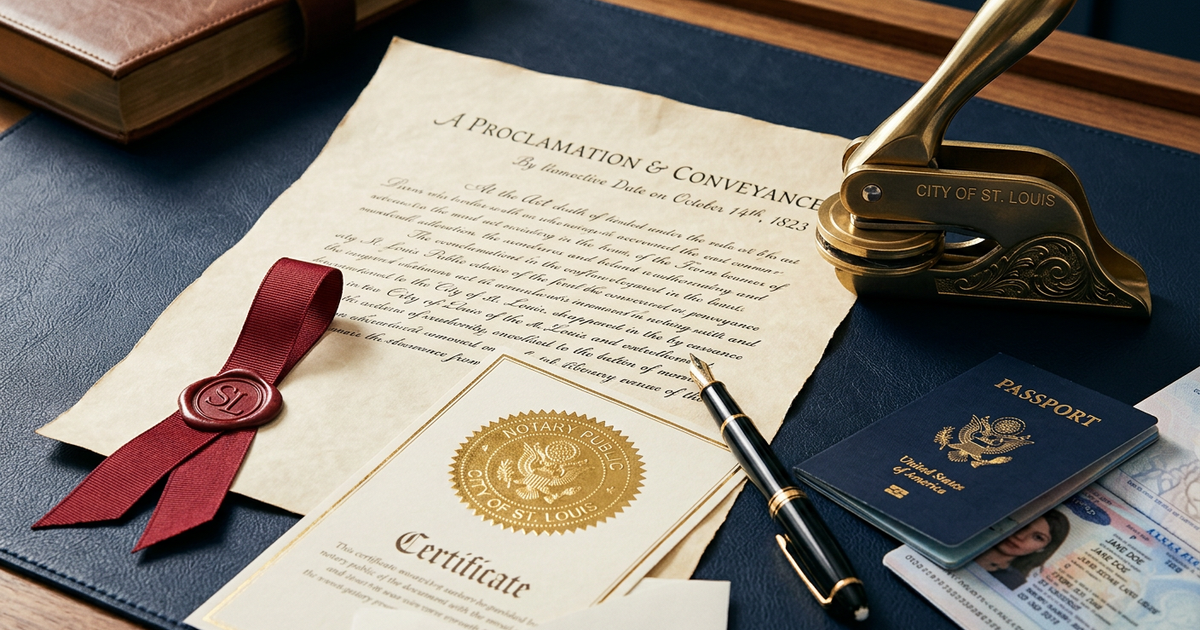
Celebrating Freedom and Forging Futures This Juneteenth
Here at Premier Notary & Apostille Services, our work is rooted in community and service. In observance of Juneteenth on June 19th, our St. Louis office will be closed. We encourage our team and our community to use this day for reflection, celebration, and education on the enduring journey toward freedom and equality in America.
Juneteenth, our nation’s newest federal holiday, is a powerful commemoration of the end of slavery. It’s a day to honor Black history, culture, and resilience. But as professionals who deal with official documents every day, we also see a profound connection between the story of Juneteenth and the foundational power of the written, witnessed, and sealed record. It’s a story not just of a proclamation, but of the millions of individual acts of documentation that followed, enabling newly freed people to claim their identity, rights, and futures.
The Proclamation: Freedom Codified
The story of Juneteenth begins with a document: General Order No. 3. On June 19, 1865, two and a half years after the Emancipation Proclamation was signed, Union soldiers arrived in Galveston, Texas, with news that the Civil War had ended and that all enslaved people were now free. The reading of this general order was a momentous act. It was the formal, official announcement that transformed the abstract ideal of freedom into a tangible reality for over 250,000 people in Texas.
This single document demonstrates a principle we see at work every day: words on paper, when given official authority, have the power to change lives. A proclamation, a deed, a certificate, a passport—these are more than just paper. They are instruments of truth and recognition, carrying the weight of official verification that makes them undeniable.
From Bondage to Birth Certificates: Establishing Identity
For the four million African Americans freed from bondage, the journey to full citizenship was just beginning. One of the most immediate and critical challenges was establishing a legal identity where none had existed before. Under slavery, people were considered property, often with no official record of their birth, family ties, or even their chosen names. Freedom meant the ability to claim these fundamental rights, and that required documentation.
Imagine the profound significance of obtaining your family’s first documents:
- Marriage Certificates: For the first time, Black families could have their unions legally recognized by the state, protecting their spouses and children. A simple certificate became a powerful symbol of love, commitment, and family integrity.
- Birth Certificates: Recording the birth of a child was an act of declaring their existence and their right to citizenship. It was a formal entry into the civic life of the nation.
- Deeds and Titles: Owning land was a cornerstone of the American dream, representing stability and the chance to build generational wealth. For formerly enslaved people, securing a deed to a piece of property was a monumental step toward economic independence and self-determination.
Each of these documents required a formal process, often involving officials who could verify identities and witness signatures. This brings us to the humble yet vital role of the Notary Public.
The Notary as a Pillar of Community Trust
The role of the Notary Public is to serve as an impartial witness, to verify identity, and to deter fraud. In the years following emancipation, as a new class of citizens sought to formalize their lives on paper, trustworthy officials were essential. A notary’s seal on a document confirmed that the person signing was indeed who they claimed to be, adding a layer of security and legitimacy to the transaction.
This historical context gives our work today a deeper meaning. When we notarize a document for a new parent, a first-time homebuyer, or someone starting a business, we are participating in a long tradition of helping community members establish their legal standing and pursue their dreams. We are a trusted touchpoint in life’s most significant moments, ensuring that your important commitments are properly and formally recorded.
Modern Freedom: Apostilles, Passports, and Global Opportunity
Today, the need for verified documents is just as critical, though the context has evolved. The freedom to travel, to work or study abroad, or to connect with family across borders is a modern expression of liberty. This is where our apostille services become so important.
An apostille certifies the authenticity of a document—like a birth certificate or a diploma—for use in another country. It's a bridge that allows your personal records to be recognized and respected globally. Whether you're applying for dual citizenship, planning a destination wedding, or pursuing an international career, the apostille process is a key that unlocks global opportunity. It ensures that the documents defining your identity and qualifications are accepted without question, empowering your freedom of movement and ambition.
Our Commitment to the St. Louis Community
On Juneteenth, we honor the past and look toward the future. We celebrate the progress made and acknowledge the work that still needs to be done to achieve true equity. As a St. Louis business, we are proud to serve every member of our diverse community. We are committed to being an accessible, warm, and expert resource for anyone navigating the processes that require notarization or an apostille.
We are honored to play a small part in the moments that define your legacy. Thank you for trusting us with your most important documents. We wish you and your loved ones a joyful and reflective Juneteenth.