Document Authentication: Best Practices for Verification
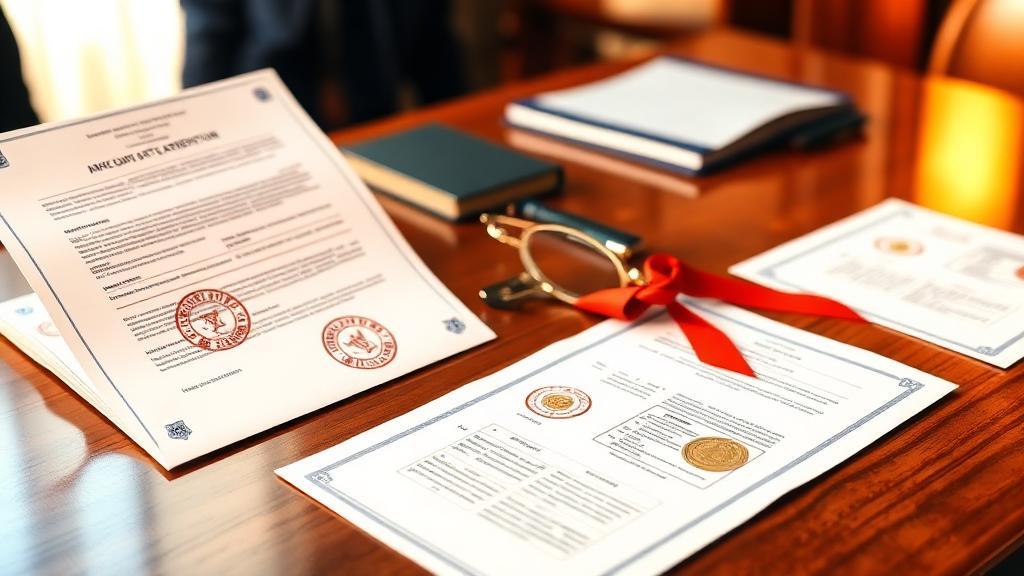
The Critical Need for Document Authentication
In an increasingly interconnected world, the need to prove the legitimacy of your official documents has never been more vital. Whether you're pursuing international education, conducting business abroad, or simply needing to verify a personal record, the process of document authentication is a cornerstone of trust and legal recognition. Without proper authentication, your critical papers could be deemed invalid, leading to significant delays, financial losses, or even missed opportunities.
Imagine submitting a university transcript to a foreign institution, only for it to be rejected because it lacks the necessary seals and certifications. Or perhaps you're closing a major international business deal, and the contract you present is questioned due to insufficient verification. These scenarios highlight the profound importance of understanding and correctly navigating the authentication landscape.
This comprehensive guide will walk you through the best practices for document authentication, ensuring your documents are recognized and accepted wherever they need to be. We'll delve into the various methods of verification, offer actionable advice, and help you demystify what can often seem like a complex process. Let's explore how to properly authenticate documents and safeguard their integrity.
Understanding Document Authentication: What It Means
At its core, document authentication is the process of verifying the genuineness of a signature, seal, or stamp on a document. It confirms that the document was issued by a legitimate authority and that the individuals who signed it were authorized to do so. This process is crucial for documents that will be used in a different jurisdiction, especially internationally.
The goal is to prevent fraud and ensure that foreign authorities can trust the validity of documents originating from your country. Different types of documents, from birth certificates and marriage licenses to academic transcripts and corporate resolutions, often require some form of verification before they can be legally used abroad.
Proper authentication adds a layer of credibility, making your documents legally recognizable and acceptable across borders. It's not just about proving authenticity; it's about establishing trust in a global context.
Key Steps in the Document Authentication Process
The journey to authenticate documents typically involves several sequential steps, depending on the document type and its final destination. Understanding these stages is critical to a smooth and efficient process.
- Notarization: Often the first step, a notary public certifies the authenticity of signatures on a document. They confirm the identity of the signers and witness the signing.
- County Clerk Certification: For certain documents, especially those notarized, the notary's signature and seal may need to be certified by the county clerk's office in the county where the notary is commissioned.
- Secretary of State Certification: Following county certification (if required), the document may need to be certified by the Secretary of State's office in the state where it was issued. This verifies the authenticity of the county clerk's or notary's signature.
- Apostille or Embassy Legalization: This is the final and most crucial step for international use. Depending on whether the destination country is a member of the Hague Apostille Convention, you will either need an Apostille or Embassy Legalization.
Each step builds upon the previous one, creating a chain of authentication that ultimately proves the document's legitimacy to foreign authorities. Neglecting any of these steps can invalidate the entire process.
Apostille vs. Embassy Legalization: Which Do You Need?
The choice between an Apostille and Embassy Legalization is paramount and depends entirely on the destination country where your document will be used. This distinction is a cornerstone of international document authentication.
- Apostille: An Apostille is a certificate issued by a designated authority (usually the Secretary of State) in a country that is a member of the Hague Apostille Convention. It simplifies the authentication process by replacing the traditional, more complex chain of legalization. If your document is going to a Hague Convention country, an Apostille is all you need after the initial notarization/state certification.
- Embassy Legalization (Consular Legalization): If the destination country is NOT a member of the Hague Apostille Convention, your document will require Embassy Legalization. This process involves additional steps after state certification: the document must be authenticated by the U.S. Department of State, and then further authenticated by the embassy or consulate of the destination country located in the U.S. This is a more time-consuming and often more expensive process.
It's crucial to verify the status of the destination country regarding the Hague Convention before initiating the authentication process. This single piece of information will dictate the entire path your document takes for proper verification.
Common Documents Requiring Authentication and Verification
A wide array of personal, academic, and business documents frequently require authentication for international use. Understanding which documents typically fall into this category can help you prepare in advance.
- Personal Documents: Birth certificates, marriage certificates, death certificates, divorce decrees, powers of attorney, passports, driver's licenses, and affidavits.
- Academic Documents: Diplomas, transcripts, academic records, and letters of enrollment or good standing. These are often needed for studying abroad or having foreign credentials recognized.
- Business Documents: Articles of incorporation, certificates of good standing, commercial invoices, resolutions, powers of attorney for business, and agreements. These are vital for international trade, opening foreign branches, or legal proceedings.
- Legal Documents: Court orders, judgments, wills, and other documents issued by a court or legal authority.
For each of these document types, the specific requirements for authentication may vary. Always check with the receiving authority or a professional authentication service to ensure you meet all necessary criteria to authenticate documents effectively.
Best Practices for a Smooth Authentication Process
Navigating document authentication can be complex, but following these best practices will significantly streamline the process and minimize potential headaches.
- Start Early: Authentication can take time, especially if multiple layers of certification or embassy legalization are required. Begin the process well in advance of any deadlines.
- Verify Destination Country Requirements: As mentioned, confirm whether the destination country is a Hague Convention member. This is the most critical first step.
- Ensure Documents Are Original or Certified Copies: Many authorities will only authenticate original documents or certified true copies issued by the record holder. Photocopies are rarely accepted without proper certification.
- Check for Proper Notarization: If notarization is required, ensure the notary public's seal and signature are clear, correct, and current. An improperly notarized document will be rejected.
- Seek Professional Assistance: For complex cases or when time is of the essence, consider using a professional document authentication service. They have expertise in navigating the nuances of different jurisdictions and can expedite the process.
- Keep Detailed Records: Maintain copies of all documents, receipts, and tracking numbers throughout the authentication process. This can be invaluable if questions or issues arise.
By adhering to these guidelines, you can significantly reduce errors and ensure your important documents are properly authenticated and ready for international use.
Conclusion: Your Partner in Document Verification
The process of document authentication is a critical safeguard in today's global landscape, ensuring that your vital records are recognized and respected across borders. From understanding the initial notarization to determining whether an Apostille or Embassy Legalization is necessary, each step is designed to build trust and prevent fraud. By following the best practices outlined in this guide, you can confidently navigate the complexities of verifying your documents.
Don't let the intricate world of international document verification overwhelm you. If you need to authenticate documents for personal, academic, or business use, our expert team is here to assist. We specialize in providing efficient and reliable document authentication services, ensuring your documents are properly prepared and certified for their intended purpose. Contact us today to learn more about how we can help you with your next document authentication need and ensure seamless international recognition!
Related Resources
Learn more about related services and processes:
- Complete Notarization Guide – Step-by-step notarization process
- Passport Document Notarization – Travel and passport authentication
- Real Estate Document Guide – Property transaction notarization
- Our Apostille Services – Get your documents authenticated